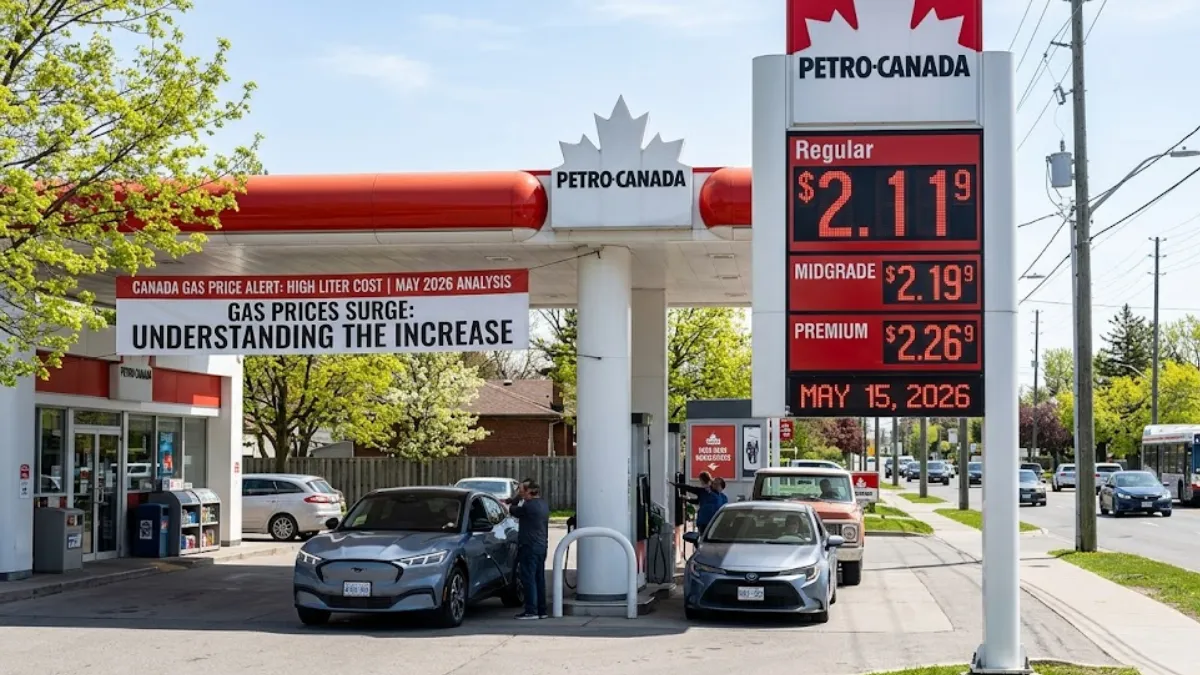
Best Fuel-Efficiency Hacks for Canadian Drivers to Beat the 2026 Fuel Price Hike
Fuel prices in Canada are always a concern.. With predictions saying they will go up in 2026 many drivers are looking for ways to make their fuel last longer. The good news is that you do not need to buy a vehicle to save on fuel costs. A few smart habits can really make a difference.Here are some practical tips that can help Canadian drivers save money on fuel.
Why Fuel Efficiency Matters More in 2026
Imagine filling up your SUV every week. Year the cost was okay.. Then fuel prices go up again. Suddenly your monthly transportation budget looks very different. This is happening over Canada. Whether you are driving in Toronto, Alberta or Manitoba fuel costs add up quickly. Improving fuel economy is not about saving a few dollars. Over a year small changes can save hundreds or even thousands of dollars.
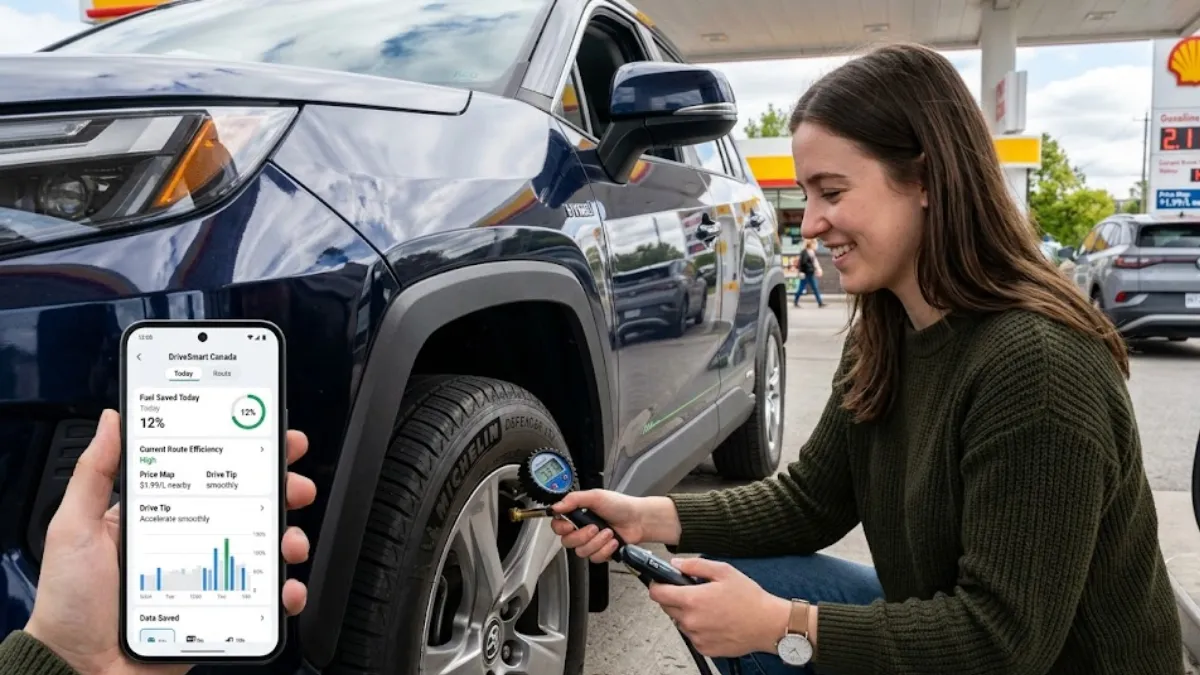
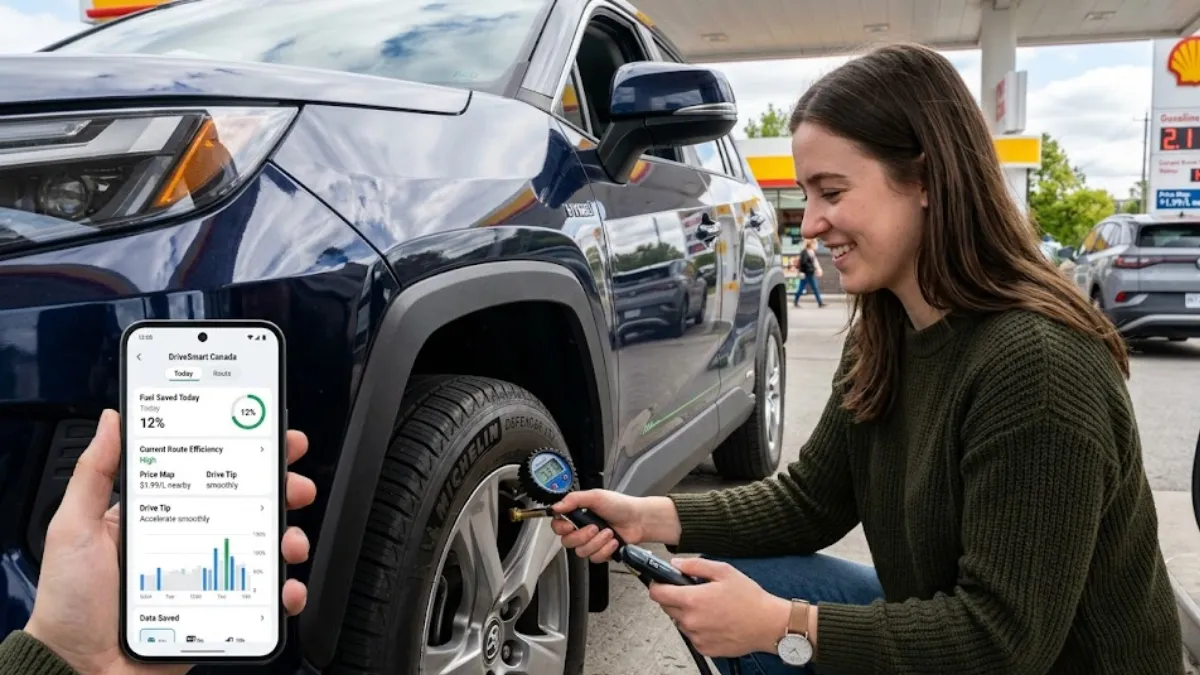
Keep Your Tires Properly Inflated
This is an one. Underinflated tires make your engine work harder. That means more fuel burned. Check your tire pressure at once a month especially in Canadian winters when the cold weather can affect pressure. Many drivers ignore this. Wonder why their fuel consumption is going up.
Avoid Aggressive Driving
Fast acceleration is fun Your wallet might not agree. Rapid acceleration, braking and speeding use a lot of fuel. Smooth driving helps your vehicle use fuel and reduces wear and tear. Think of it like this: every time you speed up quickly it's like money is leaving your fuel tank. Driving calmly often gets you to your destination as quickly.
Reduce Unnecessary Weight
Many Canadians carry stuff in their vehicles. Sports equipment, tools, storage bins and random items that never leave the trunk. Every extra kilogram requires energy to move. Removing cargo can improve fuel economy especially for smaller vehicles. A quick cleanup could make a difference.
Use Cruise Control on Highways
Long highway drives are common in Canada. Using cruise control on highways helps maintain a steady speed, which reduces unnecessary fuel consumption. Constant speed changes burn fuel than most people realize. Course avoid cruise control on snowy, icy or slippery roads where you need full control.
Stay Current With Vehicle Maintenance
Skipping maintenance often costs later. Dirty air filters, worn spark plugs, old engine oil and neglected systems can all reduce fuel efficiency. Following your manufacturers maintenance schedule helps your vehicle run at its best. A maintained engine simply burns fuel more efficiently.
Limit Excessive Idling
Canadian winters can make idling tempting. Many drivers leave their vehicles running for periods before driving. While short warm-up times may be necessary in cold excessive idling wastes fuel. Modern vehicles warm up faster when driven gently than sitting idle for extended periods. A few minutes saved each day can add up over a year.
Plan Routes Efficiently
Traffic congestion burns fuel. Lots of it. Using navigation apps to avoid traffic jams and combining errands into one trip can significantly reduce fuel consumption. The shortest route is not always the fuel-efficient route. Sometimes a longer drive with less traffic actually saves gas.
Remove Roof Racks When Not Needed
Roof racks are convenient.. They are also bad for fuel economy when left unused. Extra aerodynamic drag forces your vehicle to work harder at highway speeds. If you are not carrying bikes, skis or cargo removing the rack can improve efficiency. Small change, savings.
Consider Fuel-Efficient or Hybrid Vehicles
If you are planning to replace your vehicle fuel-efficient models are worth considering. Many Canadians are comparing hybrid vs gas car fuel savings, fuel-efficient SUVs in Canada and most economical commuter cars. Hybrid vehicles often provide fuel savings for city driving while newer fuel-efficient gasoline models continue improving every year. The upfront cost may be higher, but long-term savings can offset the investment.
What Is the Best Way to Save Fuel in Canada?
The answer is not one secret. It is combining small habits:
Maintain proper tire pressure
Drive smoothly
Reduce idling
Keep up with maintenance
Remove weight
Plan trips carefully
Together these strategies create savings.
Final Thoughts
The expected 2026 fuel price hike does not mean Canadian drivers are powerless. In fact many of the effective fuel-saving techniques cost nothing at all. A few adjustments in driving habits and vehicle maintenance can help reduce fuel expenses without sacrificing convenience. The reality is simple. Fuel prices may be, out of your control. How efficiently you use that fuel is not. Start with one or two of these fuel-efficiency hacks this week. You might be surprised by how longer each tank lasts.
Written by Editorial Staff Author
Expert editorial team providing accurate and insightful information.